One Spot, Big Effect
Cells in a solar panel are wired together, so a small blocked area can cut output by much more than its size suggests. A thin layer of dust dims every cell a little. A patch of bird waste blocks one cell almost completely, and that cell holds back the cells it's connected to.
The Hot Spot Problem
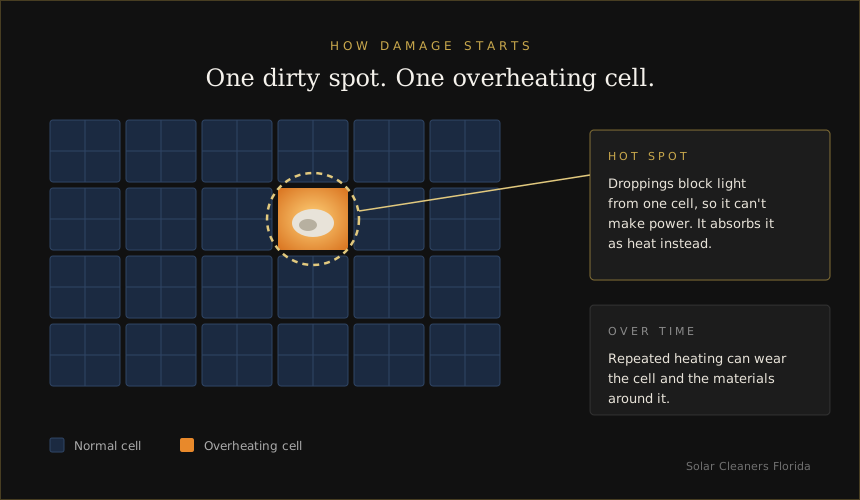
A blocked cell can sometimes overheat and form a hot spot. Repeated heating can stress the cell and the materials around it. We explain the mechanism in how dirty panels get damaged.
Why Rain Won't Fix It
Fresh bird waste may rinse off in a storm. Dried bird waste tends to stay put. In Florida's heat it can bake onto the glass within days, and a light rain mostly moves the mess around the panel. See does rain actually clean solar panels.
Why It's a Bigger Issue on the Gulf Coast
Gulls, pelicans and other coastal birds are active all year, and panels near trees, screen enclosures or the water see more of them. Birds also like to roost on panel edges and ridge lines, so the same panels often get hit again and again.
What to Do About It
- Don't scrape or pressure wash. Both can scratch the glass coating
- Don't climb on the roof to deal with it yourself
- Have panels cleaned with pure water and gentle methods so the bird waste comes off without harming the surface
- If birds keep returning, ask a solar installer about bird-proofing options and plan for more frequent cleaning
Homes with heavy bird activity often do better with quarterly cleaning. Our cleaning schedule shows when to add extra visits.
Want it done for you? See how we handle solar panel cleaning in Sarasota with purified water and no pressure washing on panels.